
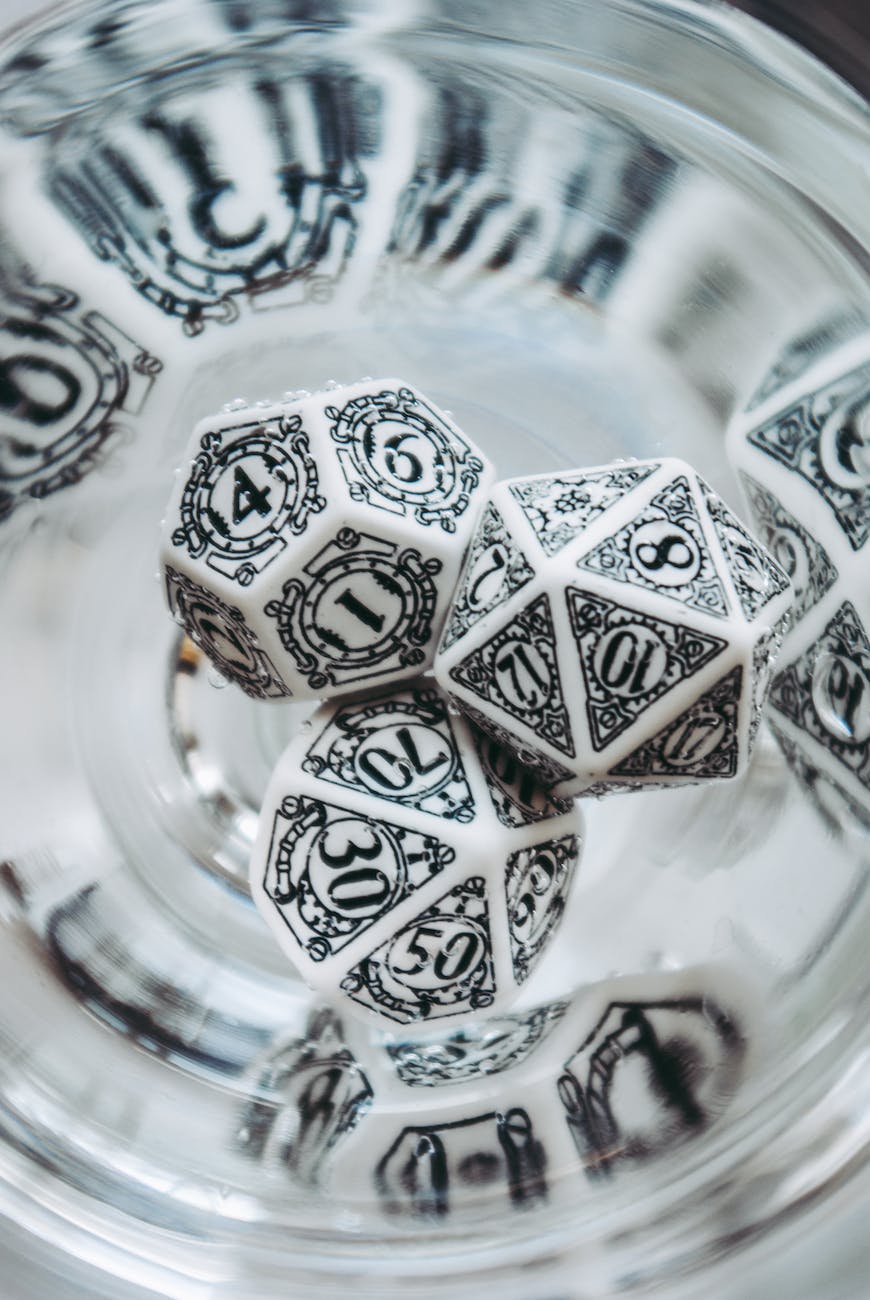
Many of you might have heard of Dungeons and Dragons from shows like Stranger Things and The Big Bang Theory, while others might have already played it themselves. D&D is a tabletop role-playing game that combines storytelling, imagination, and strategic gameplay. In D&D, players create their own characters and embark on thrilling adventures in a fantasy world. The game is guided by a Dungeon Master (DM), who narrates the story, sets the challenges, and plays the non-player characters(NPCs). Players take on the roles of their characters, making decisions, engaging in combat, solving puzzles, and interacting with the game world. Success in the game is determined through dice rolls and character abilities, allowing for endless possibilities and collaborative storytelling. I had been dying to delve into the world of Dungeons and Dragons for years. As someone who considers herself quite creative, this role-playing game that needed nothing more than 7 dice and a vivid imagination really piqued my curiosity.

But Dungeons and Dragons seemed so daunting to get into as a beginner and with the starter pack costing upwards of R600, it just didn’t seem feasible.
That was until a friend of mine piped up mentioning that she’d had a starter pack for years and just never used it. Another friend suggested that her younger brother, who was a seasoned D&D player, would teach us. He admitted that teaching a group of 6 newbies and 2 experienced players was a little daunting, but he was up for the challenge. Weeks went by and no plans were made. Some created D&D Beyond accounts and went to work on creating their characters.
Creating a character is an exciting and pivotal step of D&D that sets the stage for your adventures. Whether you’re a rough and tough barbarian, or a sweet and gentle bard, the character you choose will determine your reaction to different scenarios as well as your skillset. If you’re brand new to the game, choosing a character can be a little overwhelming. Don’t overthink it. Envision the character you want to play. Step into their shoes, if you will. What is their backstory? What motivates them? How is their relationship with their parents? Do they think logically or emotionally? Are they ”all for one and one for all” or are they ”all for one and all for me”? Thinking about what they look like will also help you visualize your character and bring them to live. Choose your ability scores wisely. Ability scores are important in Dungeons and Dragons. They determine your character’s strengths and weaknesses. When choosing your ability scores, consider what your character’s class and play style are. For example, a fighter will benefit from high strength and constitution scores, while a wizard will benefit from high intelligence and wisdom scores. Finally, you’ll pick your character’s alignment. Your character’s alignment will affect their decisions in the game. For example, a lawful good character will always try to do the right thing, while a chaotic evil character may be more interested in personal gain than doing what is right. A good tip when creating your character is to work with your DM to ensure that your character fits in with the world they created and get some advice from them on how to better create your character.
Finally, a last-minute meetup was arranged and some of us got together with neighbours who were experienced in the game to really get into it.
A new DM was chosen and she stipulated that she would only be comfortable teaching 5 of us as any more would be too overwhelming. We spent that first meeting creating our characters (for those of us who hadn’t created them yet) and refining our existing characters (for those of us who had). Unfortunately, our party consisted of a rogue elf, a warlock half-elf, a wizard elf, a rogue dwarf and a DM-appointed dwarf cleric. Our DM was appalled. “2 criminals and 2 magical beings?” she cried. “Absolutely no fighters.” Things were looking grim. We didn’t even have enough fight to take on the goblin ambush at the beginning of the starter pack.
By our next session, our DM had done some tweaking behind the scenes. Our elf wizard was now an elf cleric, our dwarf cleric was now a dwarf paladin (the very religious jock of the D&D world), and the final piece of the puzzle, a tiefling druid, had joined our party.
However, since a few of our friends were traveling in a few days, it didn’t make sense to start a campaign and then go for such a long period of time without continuing. So, we decided to take on the goblin hoard from the starter pack just to familiarize ourselves with the mechanics of the game. The game works by having a character you created go through different battles, stories and scenarios, created by the DM, and the decisions you make determine your success and how the story plays out. Depending on what you decide, you’ll have to roll the dice to determine whether it’s successful or not and your chances of success are increased based on your skills. Take my character of example, she’s an elf rogue so her sneakiness is quite impressive, but she’s got terrible charisma. So, if she wanted to sneak into someone’s bedroom to murder them, chances are she’d be successful. But her charisma is low, so if she tried to charm the guards to let her through, chances are she’d be less successful. There’s also a lot of abilities you can have or gain as you level up which will help you with battle different monsters.
Now, let’s delve into my review of the starter pack.
The starter pack is not that great, in my opinion. It seems to have the impression that you will have someone who is already familiar with the game assisting you while you’re playing, but if you’re completely brand new, you’re going to struggle. It doesn’t teach you how to create a character from scratch; instead, it provides you with a few premade characters to choose from. And just from the basic first goblin battle we did, the starter pack doesn’t include the goblins stats such as health points or attack points – you have to search for it online. So, it was lacking if I’m being honest. If we didn’t have seasoned players there, I don’t think we would’ve been able to make heads or tails of it.
Overall, our first experience playing Dungeons and Dragons was incredibly positive. We all had a blast, and we cannot wait to continue our adventure. If you are a group of newbies thinking of trying out this amazing game, we highly recommend giving it a go!
 Chante JVR
Leave a comment