
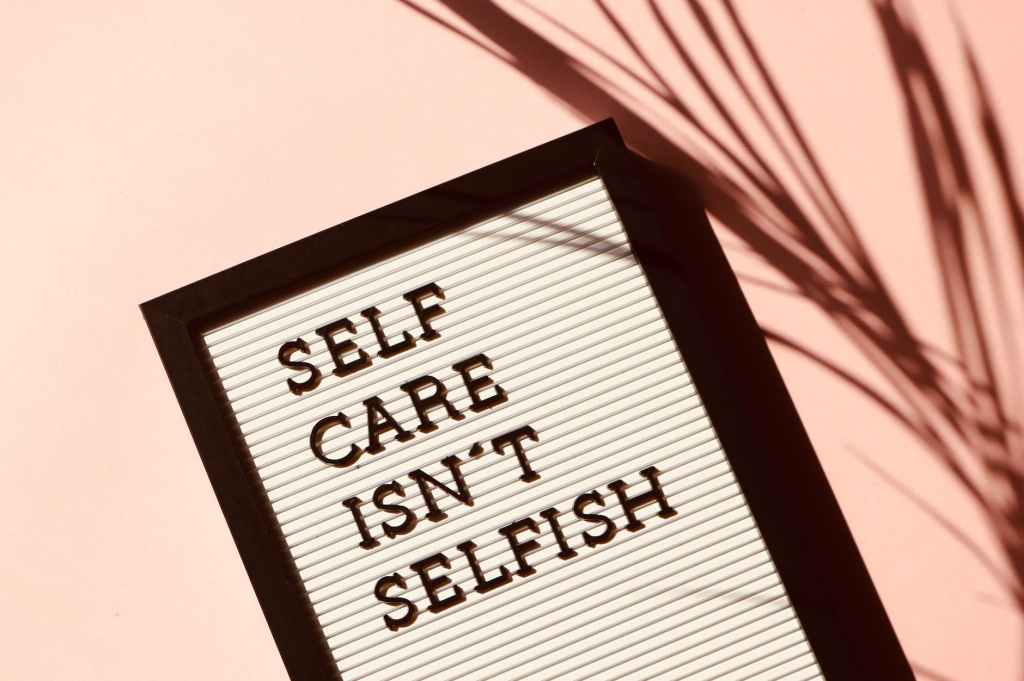
In a world that often emphasizes physical health, it is crucial to recognize the significance of mental well-being. Mental Health Awareness Week serves as a poignant reminder that our minds require care, understanding, and support. This annual event highlights the importance of destigmatizing mental health issues, promoting dialogue, and fostering a society that prioritizes mental wellness as much as physical wellness. In this post, we chat to Alicia Coertze, Trainee Psychologist and owner of Mental Health with Alicia, who shares with us 3 indicators that your mental is not in a good place.
When left unaddressed, these orange flags can become red flags, leading to severe burnout and/or severely affecting or altering your life, says Alicia. Mental health encompasses our emotional, psychological, and social well-being. It affects how we think, feel, and act, shaping our ability to cope with stress, relate to others, and make choices. Just as physical ailments warrant attention, mental health concerns require acknowledgment and support. Unfortunately, due to longstanding societal misconceptions, mental health issues often carry a heavy stigma, hindering individuals from seeking help and understanding.
Here are some tips from Alicia on how to spot these indicators.
1. Emotional changes & fluctuation
*Feeling more emotional (crying or anger outburst)
*Increased anger or irritability
*Feeling emotionally unwell and unable to cope
*General sense of not being able to control/manage emotions like one normally could
2. Behavioural changes
*Change in appetite (increase or decrease)
*Change in sleep (sleeping more than normal or less)
*Change in energy (Fatigue? Lethargic? More tired than normal?)
*Losing interest in things you use to enjoy
*Loss of motivation and drive
3. Cognitive changes
*Being more cynical and negative towards life in general
*Having thoughts of giving up or quitting
*Having sad, bad or hurtful thoughts
*Recurrent thoughts of bad/hurtful memories or traumatic events
*Having illogical reasoning and wanting to make irrational decisions
Major red flags: (when the red flags are present, it is imperative that you reach out for help)
🚩thoughts of suicide
🚩 acts of self-harm
🚩not wanting to get up in the morning
🚩when your mental wellbeing is affecting your work, school or studies (not showing up for work, school, tests, important meetings etc)
🚩social isolation and not talking to anyone
🚩Extreme feelings of hopelessness and worthlessness
🚩Extreme emotional outbursts and crying spells (uncontrollable breakdowns)
“If you are not mentally okay (and you will know), then it is very important to reach out for help ASAP!!” says Alicia. Recognizing and addressing a poor mental state is an essential step towards prioritizing our well-being. By paying attention to signs of distress, reaching out for help, and accessing appropriate resources, we can embark on a path of healing and resilience. Remember, you are not alone in your journey, and there are numerous organizations and platforms that offer support and guidance. Some valuable resources to consider include:
- South African Depression and Anxiety Group (SADAG): Africa’s largest mental health organisation. SADAG plays a vital role in raising awareness about mental health issues, providing support, and promoting access to resources for individuals facing depression, anxiety, and other mental health conditions. Visit their website at www.sadag.org or contact them on (0800) 12 13 14.
- Akeso: Akeso is a private mental healthcare provider based in South Africa. It operates a network of psychiatric hospitals and clinics that offer specialized treatment and care for individuals experiencing mental health conditions. Akeso is known for its commitment to delivering comprehensive, evidence-based treatment to promote recovery and well-being. Contact them on their crisis line: 0861 435 787
- Lifeline: Lifeline offers mental and emotional health serices through responsive and preventative programmes. Visit their website at www.lifelinesa.co.za or contact them on (0861) 322 322
- Suicide Helpline: 0800 567 567
Remember, seeking help is a sign of strength, and there is no shame in reaching out for support. Your mental health matters, and with the right resources and assistance, you can embark on a journey of healing, growth, and overall well-being.
 Chante JVR
Leave a comment