
If you enjoyed this post, please consider donating to mine and my fiance’s “honeymoon”/immigration fund. Even a small amount would mean the world to us.
“Reading should be an enjoyable experience, not a chore.”
Yellowface is the newest release by R.F. Kuang, and while I haven’t read any of her other books yet, I loved this one.
This was my book club’s pick for July and omigod, it was beautiful. This was such a refresher after last month’s pick, Priory of the Orange Tree by Samantha Shannon, which I still haven’t finished. If reading is supposed to be an enjoyable experience, not a chore, as R.F. Kuang says, then someone needs to tell Samantha Shannon that.
The story centres around June Hayward who, along with fellow author, Athena Liu, were expected to have parallel success stories. Both being Yale classmates and making their debut in the publishing world at the same time. However, Athena becomes a beloved figure in the literary world, while June’s work goes unnoticed, possibly due to the perception that stories about ordinary white girls are unappealing. When Athena tragically dies in an accident witnessed by June, she impulsively decides to take Athena’s recently completed novel. The stolen work delves into the untold stories of Chinese laborers’ vital contributions to the British and French war efforts during World War I, making it an experimental and powerful piece.
I’m not usually a fan of unreliable narrators, but the way it was done in this book was excellent. The problem with unreliable narrators is that the trope is mostly used in thrillers where revealing the fact that the narrator has been unreliable this whole time is supposed to be this big twist to shock and amaze you. My issue has always been WE ARE LITERALLY IN THIS PERSON’S HEAD HOW ARE THEY NOT THINKING ABOUT THIS BAD THING THAT THEY’VE DONE AT LEAST ONCE. June, on the other hand, knew exactly what she was doing but kept justifying it.
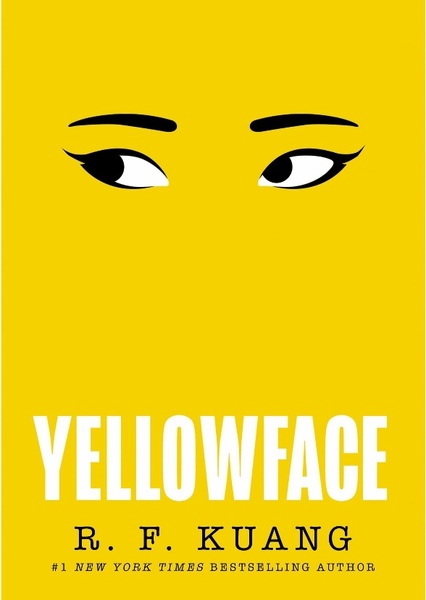
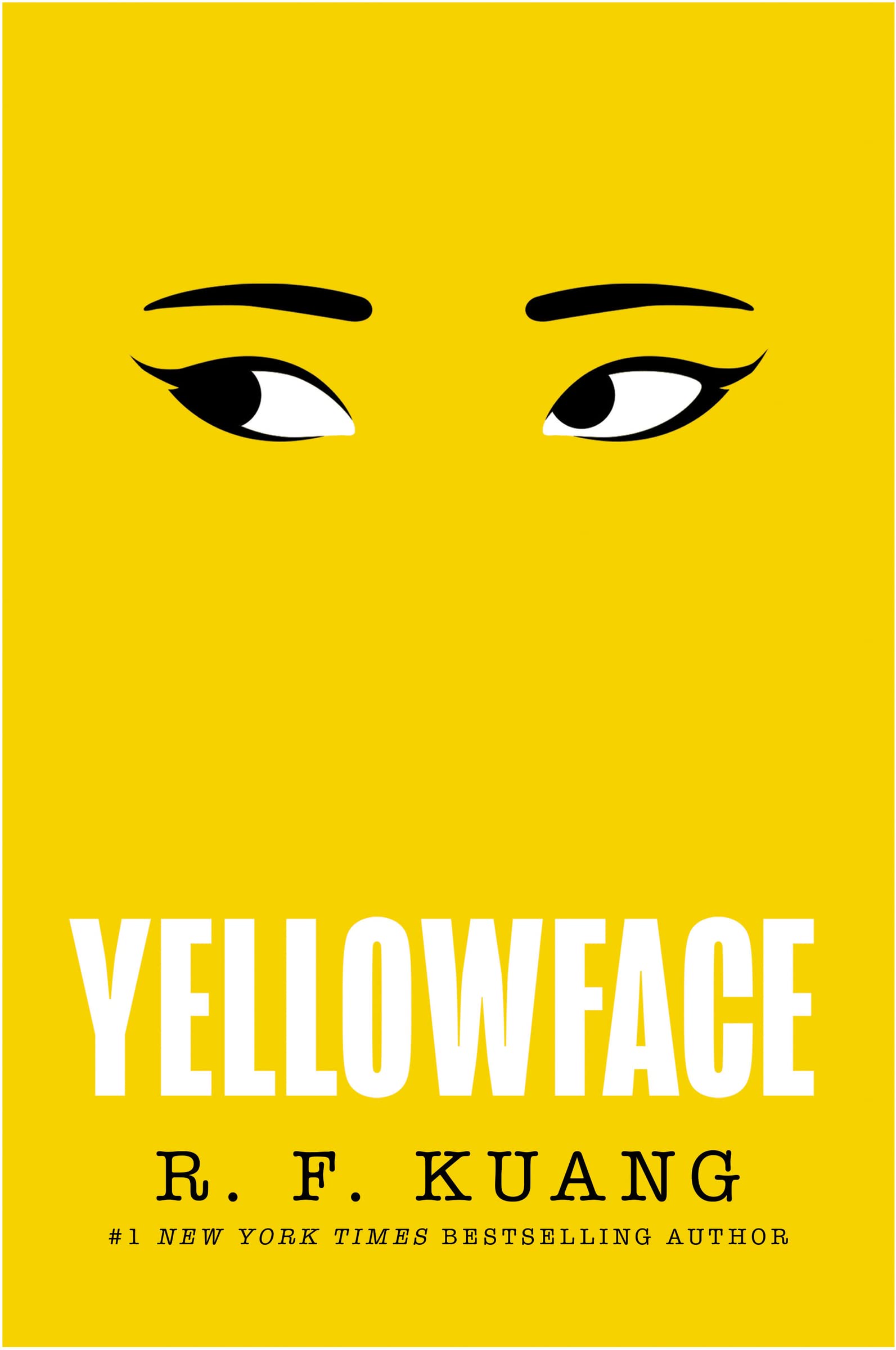
I’ll be honest, it took me a few chapters to realize she was white. In the beginning, I was under the impression that the eyed on the front cover where hers and the main reason her and Athena were friends is because they were both Asian. I assumed June intentionally wrote stories about white women. My bad. I figured it out eventually though.
The book was also a very good exploration of cancel culture and the toxic nature of the publishing industry. It’s not all sunshine and roses, as one might believe.
The only negative thing I can say about this book is that it was a lot of back and forth. It followed a cycle of June “writing” a new book, some form of Athena haunting her, bad internet activity, “write” new book, and the cycle continues. In a way, this endless loop served the book well. In the end, once she’d full on been caught, she was still adamant she was going to change the narrative and turn it in her favour. And who knows, she just as well might have. What’s that saying about the definition of insanity?
Related
 Chante JVR
Leave a comment