
⭐️⭐️⭐️⭐️
Aftersun is a beautifully understated and deeply emotional film that captures the fleeting moments of connection, memory, and growing up. Directed by Charlotte Wells, it feels less like a traditional narrative and more like a tenderly pieced-together scrapbook of a father-daughter relationship.
What Works:
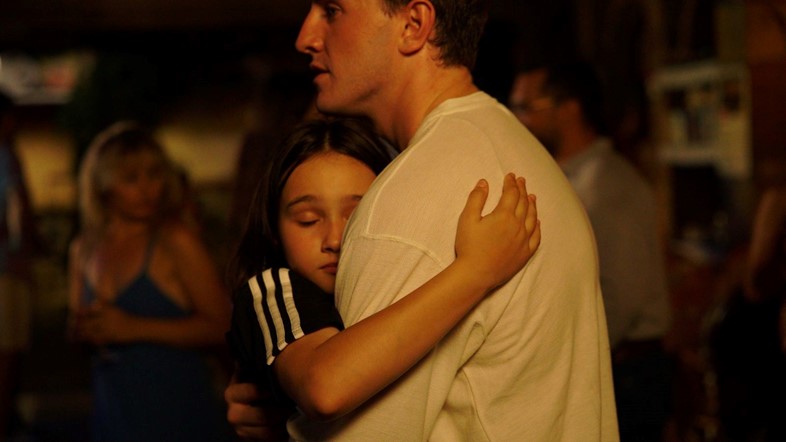
- Paul Mescal and Frankie Corio’s Performances: Mescal delivers a heart-wrenchingly subtle performance as Calum, a father navigating inner turmoil while trying to be present for his daughter. Frankie Corio is a revelation as Sophie, bringing warmth, curiosity, and authenticity to every scene. Together, they share a chemistry that feels so natural, it’s beautiful to watch.
- Emotional Depth: The film doesn’t rely on grand, dramatic events but instead focuses on the quiet, intimate moments that feel universally relatable — snippets of conversations, shared smiles, and unspoken struggles.
- Visuals and Atmosphere: The dreamy cinematography and use of 1990s aesthetics perfectly complement the film’s nostalgic tone. It’s like watching a memory unfold, complete with grainy video footage that feels achingly personal.
- Themes of Memory and Loss: The film’s subtle exploration of how we look back on childhood through the lens of adulthood is profound, leaving a lingering sense of melancholy.

What Doesn’t Work:
- Pacing: The film’s deliberate pace may feel slow for some viewers, especially those looking for a more plot-driven experience. It takes its time, which can test patience even as it rewards it.
- Ambiguity: While the film’s open-ended approach adds to its reflective tone, it may leave some audiences yearning for more narrative clarity.

Final Thoughts:
Aftersun is a quiet powerhouse of a film—one that sneaks up on you emotionally and leaves you thinking long after the credits roll. It’s a masterclass in subtle storytelling and a beautiful ode to the memories that shape us. Though it’s not for everyone, those who connect with it will likely find it unforgettable.
 Chante JVR
Leave a comment